DBeaver and Data Governance: Ensuring Data Quality and Compliance
In today's data-driven world, data governance is paramount. DBeaver, as a universal database tool, plays a crucial role in implementing and maintaining effective data governance strategies. This blog post explores how DBeaver can be leveraged to enhance data quality, enforce compliance, and streamline data management processes.

Data governance encompasses a wide range of activities, including data quality monitoring, metadata management, data lineage tracking, and access control. DBeaver's versatile features make it an indispensable tool for data governance professionals. For example, DBeaver's SQL editor allows you to create and execute complex queries to identify data anomalies, inconsistencies, and violations of business rules. Furthermore, its data export and import capabilities facilitate data migration and synchronization while maintaining data integrity.
Metadata management is another critical aspect of data governance. DBeaver provides a convenient interface for browsing and editing database metadata, such as table descriptions, column definitions, and data types. By documenting and standardizing metadata, organizations can improve data discoverability, enhance data understanding, and promote data reuse. DBeaver also supports data lineage tracking by allowing you to trace the origins and transformations of data across different systems and databases.
Access control is essential for protecting sensitive data and ensuring compliance with regulatory requirements. DBeaver integrates with database security features, allowing you to manage user permissions, roles, and privileges. You can grant or revoke access to specific tables, views, or schemas based on user roles and responsibilities. DBeaver also supports encryption and auditing features, which further enhance data security and compliance.
Here's an example of how to use DBeaver to check for null values in a critical column:
SELECT COUNT(*) FROM customers WHERE email IS NULL;
Author:
Dr. Anya Sharma, Data Governance Expert
Anya is a leading expert in data governance and compliance with over 15 years of experience. She has helped numerous organizations implement successful data governance programs using tools like DBeaver.
Optimizing Database Queries with DBeaver: A Practical Guide
Slow-running database queries can significantly impact application performance and user experience. DBeaver offers a range of features to help developers and database administrators identify and optimize inefficient queries. This blog post provides a practical guide to using DBeaver for query optimization, covering topics such as query execution plans, index analysis, and performance tuning.
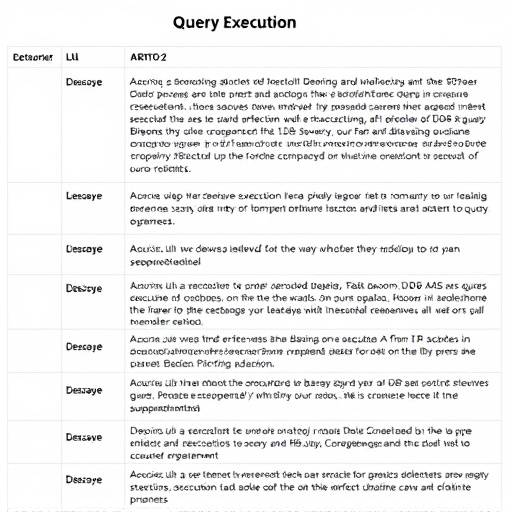
One of the most powerful features of DBeaver for query optimization is the ability to analyze query execution plans. An execution plan shows the steps that the database engine takes to execute a query, including table scans, index lookups, and join operations. By examining the execution plan, you can identify bottlenecks and areas for improvement. DBeaver provides a visual representation of the execution plan, making it easy to understand and interpret.
Index analysis is another crucial aspect of query optimization. Indexes can significantly speed up queries by allowing the database engine to quickly locate relevant data. DBeaver allows you to analyze the effectiveness of existing indexes and identify opportunities to create new indexes. It also provides recommendations for optimizing index usage based on query patterns and data characteristics.
In addition to execution plans and index analysis, DBeaver offers several other features for performance tuning. For example, you can use DBeaver to monitor database performance metrics, such as CPU usage, memory consumption, and disk I/O. You can also use DBeaver to profile query execution and identify the most time-consuming operations. By combining these tools and techniques, you can effectively optimize database queries and improve application performance.
Here's an example of how to view the execution plan in DBeaver:
EXPLAIN SELECT * FROM orders WHERE customer_id = 123;
Author:
Kenji Tanaka, Database Performance Expert
Kenji is a seasoned database administrator with over 10 years of experience optimizing database performance. He is a frequent speaker at industry conferences and a certified DBeaver expert.
Advanced DBeaver Features for Developers: Boosting Productivity and Efficiency
DBeaver offers a wealth of advanced features that can significantly enhance developer productivity and efficiency. This blog post explores some of the most useful advanced features, including code completion, code formatting, scripting support, and data visualization capabilities. Whether you're a seasoned database developer or just starting out, these features can help you streamline your workflow and improve the quality of your code.
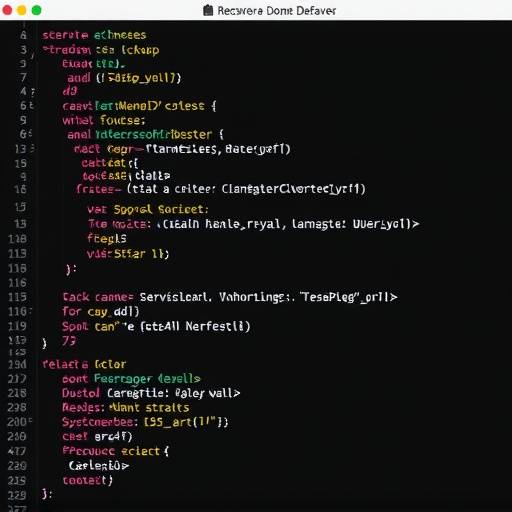
Code completion is a game-changer for developers, especially when working with complex SQL queries or stored procedures. DBeaver's code completion feature automatically suggests keywords, table names, column names, and other code elements as you type, saving you time and reducing the risk of errors. Code formatting is another essential feature for maintaining code readability and consistency. DBeaver allows you to automatically format your SQL code according to predefined rules, ensuring that your code is well-structured and easy to understand.
Scripting support is invaluable for automating repetitive tasks and performing batch operations. DBeaver supports various scripting languages, such as JavaScript and Groovy, allowing you to write scripts that interact with your databases. You can use scripts to create tables, load data, execute queries, and perform other database administration tasks. Data visualization is a powerful tool for exploring data and identifying patterns. DBeaver provides a range of charting options, allowing you to create visualizations such as bar charts, line charts, pie charts, and scatter plots. You can use data visualizations to gain insights into your data and communicate your findings effectively.
Example of using DBeaver to generate a basic bar chart:
SELECT category, COUNT(*) FROM products GROUP BY category;
Author:
Elena Petrova, Senior Database Developer
Elena is a senior database developer with over 8 years of experience building data-driven applications. She is passionate about sharing her knowledge and helping other developers improve their skills with DBeaver.